Culture & Business Transformation
The Power of Culture for Organisational Transformation
- Date:
- 4 December 2018
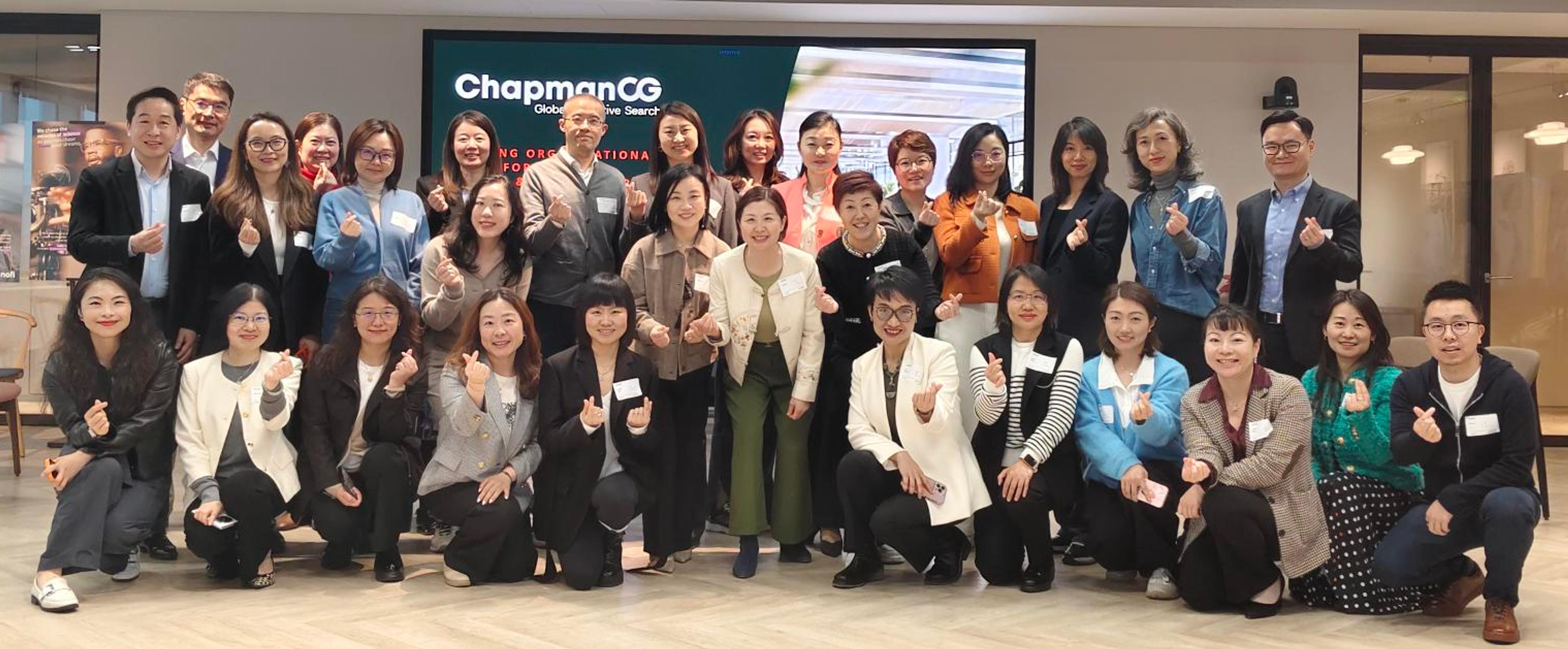
As the pace of business increases and new disruptive technologies are developed, companies need to adapt quickly, and organizational culture is crucial to this, according to HR leaders at a recent ChapmanCG roundtable in Berlin. Our co-host Maj Wad Seider, Vice President Culture & People at GfK, helped to kick off discussions by sharing GfK’s own transformation journey as it moves from a traditional market research company to a trusted partner in predictive analytics.
Why is Culture Important?
Cultural alignment around a shared set of core values correlates directly with how successful an organisation can be, and also influences attracting talent and retention, according to Dr Kim S Cameron and Dr Robert E Quinn from the University of Michigan. This goes above and beyond normal business strategies and competitive advantages. “Successful companies have developed something special that supersedes corporate strategy, market presence, or technological advantages. They have found the power that resides in developing and managing a unique corporate culture.”
Making Culture Change Successful
For any transformation to work well, there are a number of considerations to be aware of, and putting culture at the forefront is paramount. Equally, you can only change what you acknowledge already exists, so there should be honesty and objectivity around the current culture and values. GfK is radically transforming its business model, and their CEO understands that culture is key. To understand the current situation, the culture team started with a global study across a variety of employee populations within the company in order to gauge the cultural picture.
Among the results, a number of topics were raised showing how people needed further clarity with regards to the new strategy, and what it meant for them. Knowing this, it helped GfK to realise that the new desired identity was not as clear nor as easy for all employees to grasp and this gave them a starting point for how move forward. Amongst several other initiatives they created a new leadership framework, and a ‘transformation story’ to show what the culture shift meant firstly to the company and then what it meant to employees at every level, so people could start to understand and identify the key values as they applied to them directly.